Cultural Preservation: The Key to Ireland's Future Identity

Ireland's rich cultural heritage is a treasure trove of history, language, and tradition. As globalization continues to shape our world, the importance of cultural preservation has never been more critical. This blog post explores how safeguarding Ireland's unique identity can pave the way for a vibrant future, ensuring that the essence of Irish culture remains intact for generations to come.

Understanding Cultural Preservation
Cultural preservation refers to the efforts made to protect and maintain the cultural heritage of a community or nation. This includes language, traditions, art, and historical sites. In Ireland, cultural preservation is vital for several reasons:
Identity: It helps maintain a sense of national identity and pride.
Education: It provides future generations with knowledge about their history and heritage.
Tourism: A rich cultural landscape attracts visitors, boosting the economy.
The Importance of Language
One of the most significant aspects of Irish culture is the Irish language, or Gaeilge. Despite its decline in everyday use, efforts to revive and promote the language are crucial. Initiatives such as Gaelscoileanna (Irish-language schools) and community classes have emerged, fostering a new generation of speakers.
Case Study: The Gaeltacht Regions
The Gaeltacht regions, where Irish is the primary language, serve as a living example of cultural preservation. These areas not only promote the language but also support traditional music, dance, and crafts. By visiting these regions, tourists can experience authentic Irish culture while contributing to its sustainability.
Traditional Arts and Crafts
Ireland's traditional arts and crafts are another vital component of its cultural heritage. From intricate lace-making to the vibrant art of pottery, these crafts tell stories of the past and connect people to their roots.
Supporting Local Artisans
Supporting local artisans is essential for preserving these crafts. By purchasing handmade items and attending craft fairs, individuals can help sustain these traditions. Additionally, workshops and classes offer opportunities for people to learn these skills, ensuring they are passed down through generations.
Festivals and Celebrations
Festivals play a crucial role in cultural preservation. They provide a platform for showcasing traditional music, dance, and storytelling. Events like the Galway International Arts Festival and the Fleadh Cheoil na hÉireann celebrate Irish culture and attract visitors from around the world.
The Role of Community
Community involvement is vital for the success of these festivals. Local volunteers, musicians, and artists come together to create an atmosphere that reflects the spirit of Ireland. This collaboration not only strengthens community bonds but also fosters a sense of pride in cultural heritage.
Historical Sites and Monuments
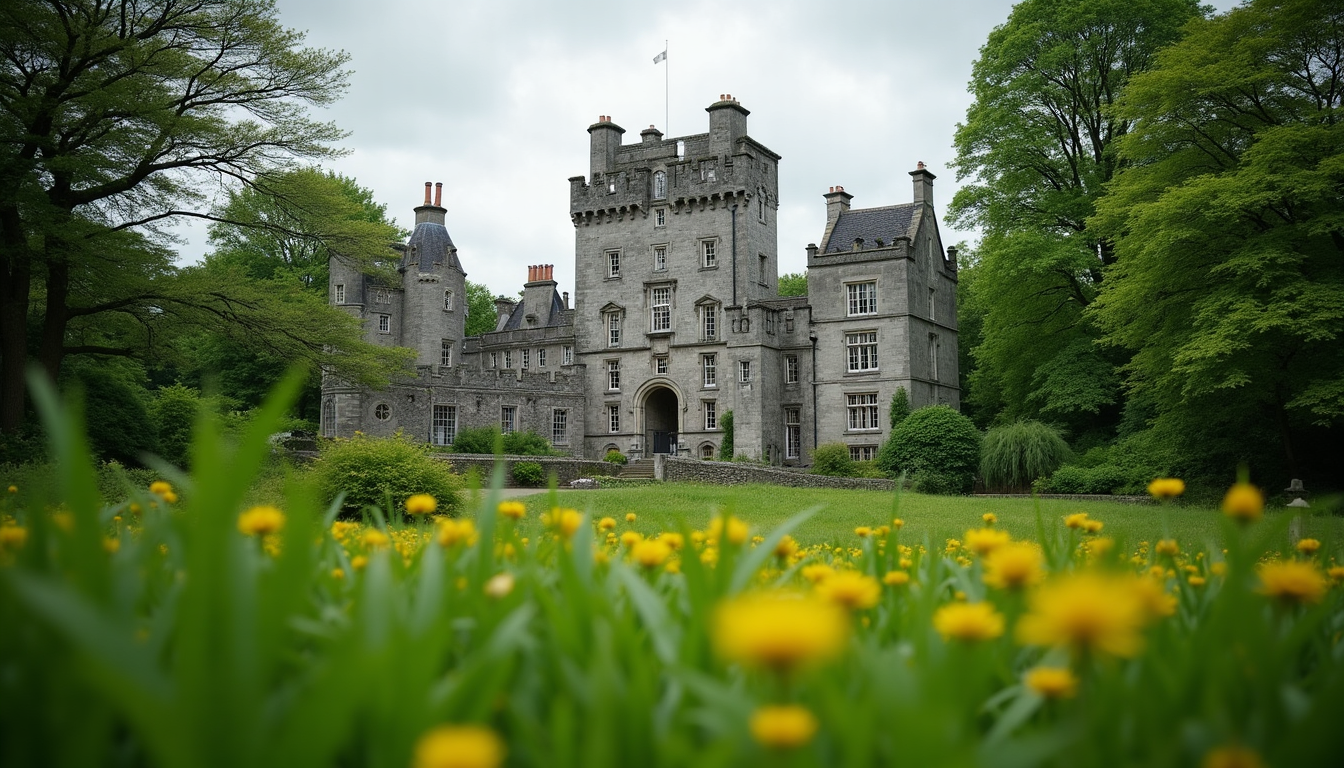
Ireland is home to numerous historical sites and monuments that tell the story of its past. From ancient stone circles to medieval castles, these sites are essential for understanding Ireland's history.
Preservation Efforts
Organizations like the Office of Public Works (OPW) work tirelessly to preserve these sites. By investing in restoration and maintenance, they ensure that future generations can appreciate Ireland's rich history. Additionally, educational programs help raise awareness about the importance of these sites.
The Impact of Globalization
While globalization brings many benefits, it also poses challenges to cultural preservation. The influx of global culture can overshadow local traditions, leading to a loss of identity. However, Ireland has embraced this challenge by promoting its unique culture on the world stage.
Embracing Modernity
Irish culture has evolved over time, incorporating modern influences while retaining its core values. This adaptability is crucial for survival in a globalized world. For example, contemporary Irish music blends traditional elements with modern genres, attracting a diverse audience.
The Role of Education
Education plays a pivotal role in cultural preservation. By incorporating Irish history and culture into school curricula, students gain a deeper understanding of their heritage. This knowledge fosters a sense of pride and responsibility towards preserving their culture.
Engaging the Younger Generation
Engaging the younger generation is essential for the future of cultural preservation. Initiatives like school projects, cultural exchange programs, and youth festivals encourage young people to explore their heritage actively. By making cultural preservation relevant and exciting, we can inspire a new wave of advocates for Irish culture.
The Future of Cultural Preservation in Ireland
As we look to the future, the importance of cultural preservation in Ireland cannot be overstated. By fostering a sense of pride in their heritage, the Irish people can ensure that their culture remains vibrant and relevant.
Collaborative Efforts
Collaboration between government, communities, and individuals is key to successful cultural preservation. By working together, we can create a comprehensive strategy that addresses the challenges posed by globalization while promoting the unique aspects of Irish culture.
Conclusion
Cultural preservation is not just about maintaining traditions; it is about ensuring that future generations can connect with their roots. By valuing and protecting Ireland's cultural heritage, we can build a strong foundation for the future. Let us all take part in this vital mission, celebrating the richness of Irish culture and ensuring its survival for years to come.
As we move forward, consider how you can contribute to the preservation of Ireland's cultural identity. Whether through supporting local artisans, participating in festivals, or engaging in educational initiatives, every effort counts. Together, we can keep the spirit of Ireland alive.

Comments